
Why Your Middle-Grade Editor Needs to Understand Kids

Ever read a middle-grade story and found that the hero sounds like someone’s granddad?
Or how about that eleven-year-old who uses more long words than an astrophysics professor? It isn’t badly written, it’s just… off.
And the likely reason? It all comes down to age and stage – the age of your protagonist and the stage of development they’re at. If those don’t match, you’re left with that eleven-year-old professor, the tween with a case of the terrible twos, or a scarily complex nine-year-old giving emotional monologues on the meaning of life.
Getting that balance right is key – get it wrong, and even the best story could be tossed aside like last week’s playground trend.
If It’s a Good Story, Why Does It Matter?
Good question. There’s every chance that the story is amazing, but kids like the ones in that book are your target audience, and they need to be able to relate to them.
Children grow and change so much, so quickly, and that eight-to-thirteen bracket is no exception.

The Tween Mind
Don’t worry, I’m not going to break down every physical, emotional, and cognitive change, but it’s helpful to know that this stage of child development is when that shift in thinking really begins. Your reader is no longer a little kid – they’ve now entered that ‘tween stage’ (and yes, feel free to put a movie-style horror voice over that – I did in my head!)
They begin to think about how others see them, worry over fitting in and being left out, become aware of themselves, their bodies, the people around them, and though they want to be independent – and have no problem in letting you know it. Tween tantrum anyone? – they’re really just trying to figure themselves (and life) out.
They’ll also have enough understanding to recognise story elements like plot and conflict, they’ll be able to read meaning between the lines and the dialogue, and they’ll also have begun to read for fun.
Which all means that if they can’t understand the words, if they don’t feel like the hero is someone they could be friends with, if the actions aren’t things they’d do themselves… you’ll lose them.
The Benefits of an Editor Who Understands Child Development
Every editor brings something new to the table. Some are sculptors of synopses, others are professors of pacing or sorcerers of style, and there’s always one that will spot that typo everyone else – other editors included – somehow missed.
An editor who understands how children think, feel, and process stories can add an extra layer of insight into your manuscript.
It’s all about keeping those standards of great editing, while also sprinkling that kid-brain know-how through your story so your readers will not only enjoy the journey and love your characters, but maybe even see a little of themselves in it.
Common Issues I See in Middle-Grade Fiction
Voice: It’s that nine-year-old professor syndrome again. When characters sound too old or young, it creates a mismatch that your reader will spot a mile off.
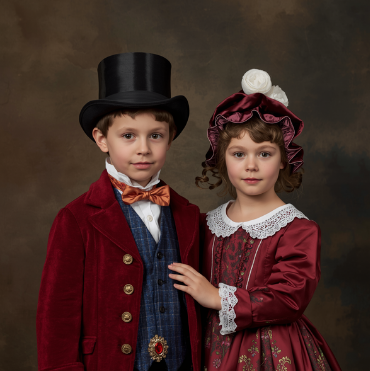
Dialogue: Linked to voice, here’s where the wrong type of language or sentence structures are used. A ten-year-old is unlikely to say, ‘Gosh, I’m incredibly excited for the party on Sunday, it’s going to be a hoot.’ Well, maybe if your character is living in Victorian England, but honestly, how many middle-grade books are set between 1837 and 1901 these days?
Logic: Kids are smart, and they often understand far more than we give them credit for. If a writer forgets this and makes a character act in a way that feels unrealistic, readers pick up on it instantly – and they won’t be shy about telling you.
Emotion: At this age, readers are beginning to pick up and understand the nuances in writing – subtext and emotion, the things left unsaid. There needs to be a careful balance: over-explaining and ‘telling’ can make your reader feel like they’re being talked down to, while underplaying emotions can mean they lose their connection to the story.
Pace: As the middle-grade reader is starting to understand the world around them, it’s okay to allow the pacing to slow, and to take in those emotions and feelings. Whereas younger readers need that often-rhythmic drive forward, the tween market can shift gears – and doing so keeps readers hooked.
How Understanding Child Development Improves Editing
Editors with a bit of child development knowledge will be able to spot when something doesn’t sit quite right, when that voice or logic doesn’t land where it should. An editing pass should help to strengthen your character’s journey, dialogue and voice, emotional responses, attitude and reactions to the world around them, and their conflict resolution skills.
Middle-grade readers are at the stage where they want to be seen, and representation matters. Making sure characters are believable, at the right developmental stage for their age, and portrayed in a way that balances that realism with readability is key.
Overall, middle-grade writing and child development go hand-in-hand to produce age-appropriate storytelling, and an editor who gets it can only add to the magic.
So, if you’re looking to give your brave and curious middle-grade characters an editor who’s on their level, I’d be happy to help.
Or, if you’re looking for a little self-editing advice, check out my Children’s Book Editing Checklist for tips to make your writing shine.